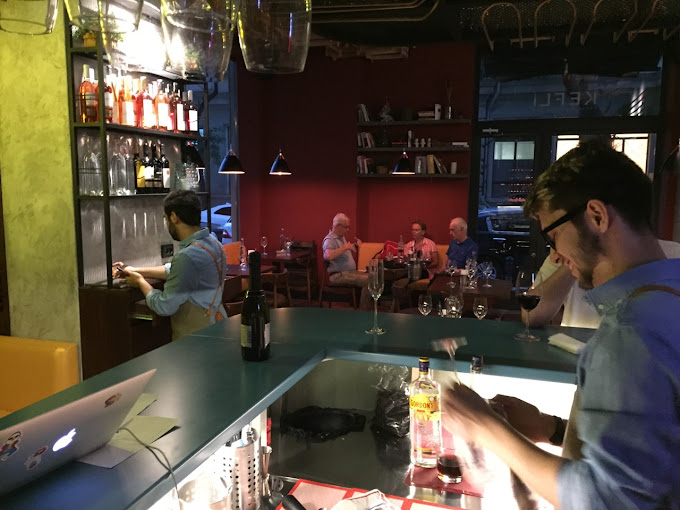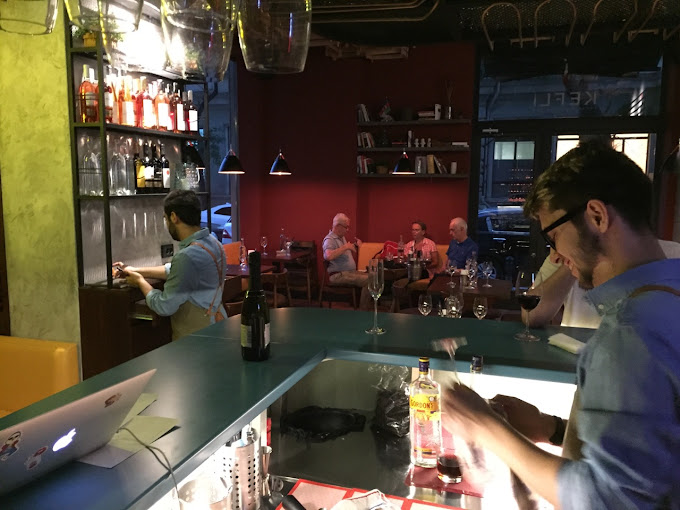
Six years ago, there was nowhere in Baku to drink local Azerbaijani wine properly. The bottles gathered dust. The winemakers had given up on their own market. And then a small wine bar called Kefli opened next to the main pedestrian street and everything changed.
Ivan Uvarov, Kefli's co-founder, described what happened next in an interview that has become something of a founding document for Baku's wine scene: "People in Baku have learned to drink wine very fast, and they do it so beautifully. We opened a bar for our friends and ourselves. We love wine and we wanted Azerbaijanis to drink and rediscover their own wine."
That rediscovery is now visible across the city. Baku in 2026 has a wine culture small, still forming, intensely local that is worth an entire evening of your time. Not a winery tour requiring a car and a day. An evening walk through the city center, from wine bar to wine bar, tasting wines made from grape varieties that most of the world has never heard of, in a tradition that is older than France's.
This is the guide to that evening.
Book your tours and transfer with luxline - https://www.luxline.az/en/booking
Why Azerbaijan's Wine History Matters
Before the first stop, a piece of context that will change how every glass tastes.
The South Caucasus is one of the genuine candidates for the birthplace of wine. Archaeologists have found evidence of grape cultivation and wine production in Georgia and Azerbaijan dating back 6,000 to 8,000 years predating the famous wine traditions of France, Italy, and Spain by millennia. The Silk Road merchants who traveled through Baku carried wine alongside silk and spices. The vineyards of Shamakhi, Ganja, and Tovuz produced wines traded across the medieval world.
Then came Soviet collectivization, which replaced quality wine production with industrial output measured in volume. Then came independence, and the slow, difficult work of rebuilding a wine tradition from roots that had never entirely died.
What you drink at Kefli tonight is that rebuilding and it is further along than most people expect.
https://www.luxline.az/en/blog/baku-to-sheki-chauffeur-guide
Stop 1: Kefli - The Bar That Started Everything
Location: Near Nizami Street, central Baku
What to order: Whatever is new by the glass that week
Six years ago, there was nowhere to drink local wine in Baku properly. Azerbaijani wine was gathering dust on the shelves. Then Kefli opened a bar for friends, in a good location next to the main pedestrian street, with light contemporary design, friendly staff, reasonable prices, and proper wine glasses from the first day.
Since 2016, Kefli has been a major promoter of local wines. The team comprises young, curious wine enthusiasts passionate about their craft. At any given time, around 50 wines are available by the glass, and the dynamic wine list continually explores unknown wine-growing regions.
This is the essential quality of Kefli: it treats Azerbaijani wine seriously, in the way that wine deserves to be taken seriously. Proper glasses thin glass, not the thick tumblers that pass for wine service in most Baku restaurants. A list that changes constantly, always chasing what is new and good from producers across the country. Staff who can actually explain what is in the glass.
Kefli has the widest range of local wines in the city, including organic, pomegranate and even non-alcoholic ones, and above all pays attention to indigenous Azerbaijani grape varieties. Usually tourists are too short of time to visit the wineries in different regions, so Kefli is a kind of museum for them a museum where you can taste different parts of the country.
https://www.luxline.az/en/blog/private-tours-baku
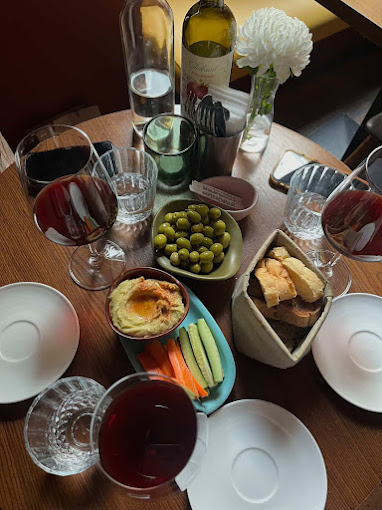
What to taste at Kefli:
Bayan Shira the white grape variety most associated with Azerbaijan. Grown primarily in the Shamakhi and Tovuz regions, it produces wines that tend toward stone fruit and gentle floral notes. Not a grape you have tasted before, almost certainly. Try it here.
Madrasa the red counterpart. A late-ripening grape that produces wines with significant tannin and depth. At Kefli, you will often find multiple producers' versions of Madrasa side by side a comparison that makes the regional differences in winemaking immediately audible.
Pomegranate wine the wine that no one expects and everyone mentions afterward. The pomegranate wine at Kefli is particularly notable a genuinely unique flavor unlike anything from conventional grape winemaking. It is not dessert wine and it is not grape wine. It is its own thing, specific to this region, and it is one of the most consistent conversation-starters of any Baku evening.
The Kefli approach: Tell the staff what kind of wine you usually like. They will build a tasting from there, moving through the list in a direction that makes sense for your palate. This is not sommelier theater it is genuine curiosity about making the match work.
Practical: Book in advance, particularly for weekends. The place fills quickly and the second visit without a reservation can mean ending up at the bar still worth it, but a table is better.
https://www.luxline.az/en/blog/baku-gabala-private-transfer-vs-public-bus
Stop 2: Enoteca Meydan - The Old City Setting
Location: Near the Old City walls, Icherisheher area
What to order: The local sparkling wine plus whatever regional red is featured
From Kefli, walk toward the Old City. The distance is comfortable on foot 10 to 15 minutes through central Baku's pedestrian streets, past Fountain Square and the illuminated stone of the Icherisheher walls. This walk is part of the evening. Baku's center at night has a quality that makes a 15-minute walk feel like a transition between different worlds.
Enoteca Meydan sits near the Old City walls the same medieval stone that surrounds the Maiden Tower and Shirvanshah's Palace, the same fortifications that traders from across the Silk Road would have passed on their way into or out of the medieval city. The location is not incidental to the experience of drinking here.
The wine list at Enoteca Meydan reaches beyond Azerbaijan Georgian wines feature prominently, which makes sense given Azerbaijan's shared Caucasus winemaking heritage with its neighbor. But the local wines are the draw for visitors who have never encountered them, and the staff here are positioned to explain the context: why this region produces wine, what the Soviet period did to the tradition, how the current generation of winemakers is rebuilding it.
What to taste at Enoteca Meydan:
Azerbaijani sparkling wine several producers now make sparkling wines using both indigenous and international varieties. The Azerbaijani brut is a consistent recommendation here not Champagne, not attempting to be Champagne, but a genuinely interesting sparkling wine with a slightly different flavor profile that reflects its origin.
Georgian natural wines if the list includes natural wines from Georgia's Kakheti region, try one. The comparison between Georgian and Azerbaijani winemaking traditions both ancient, both rebuilt from Soviet-era disruption, both using different approaches to the same Caucasus climate is illuminating when you can taste them side by side.
https://www.luxline.az/en/blog/lahij-village-azerbaijan-travel-guide
The Enoteca Meydan approach: This is the wine bar of the evening where you slow down. The location near the Old City invites a different pace sit longer, look at the lit stone walls outside, and give the wine the contemplative attention that Azerbaijani wine is still learning to demand from its visitors.
Stop 3: PORT Wine & Grill - Where the Locals Are
Location: Central Baku
What to order: A glass of whatever red the staff are drinking themselves
Specialist wine bars such as KEFLI, Enoteca Meydan, Saqi, CafeCity, PORT Wine & Grill and others provide truly authentic wine experiences for both connoisseurs and beginners.
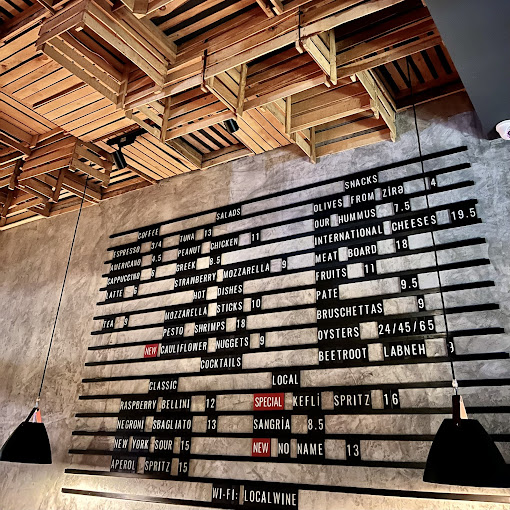
PORT Wine & Grill has a different energy from the first two stops. It is louder. It is more social. The kitchen is producing food that the wine is designed to accompany grilled meats, cheese boards, the kinds of things that make wine taste like it belongs to a meal rather than a tasting exercise. For an evening that has been building through three stops, PORT is where the experience becomes convivial rather than educational.
The wine list leans toward accessible rather than adventurous this is not the place for deep explorations of obscure indigenous varieties. It is the place for a well-poured glass of something reliably good, accompanied by food, in an atmosphere that reflects how Baku residents actually drink wine when they drink it on a Tuesday.
What to taste at PORT Wine & Grill:
The house red PORT's house wine by the glass is consistently a reliable Azerbaijani red that gives a clean picture of what everyday local wine production can achieve. Not the most complex wine of the evening, but often the most immediately pleasant.
Paired with charcuterie the food at PORT is built around wine accompaniment. The cheese and meat boards are well-sourced and the combination with local wine is the specific pleasure this stop is designed to deliver.
https://www.luxline.az/en/blog/baku-old-city-icherisheher-complete-guide
Stop 4: Saqi - The Late-Night Glass
Location: Central Baku area
What to order: Something sweet to finish quince wine or pomegranate dessert wine
The name Saqi "wine pourer" in classical Persian poetry gives the bar its literary grounding. Azerbaijan sits at the intersection of Persian, Turkish, and Russian cultural influences, and the classical poetry of this regio Nizami Ganjavi, Fuzuli, the great court poets is full of the figure of the saqi: the person who pours the wine, who makes the evening possible.
Saqi bar takes this literary identity seriously without becoming pompous about it. The space is intimate. The wine list focuses on Azerbaijani producers. The atmosphere is the kind that encourages conversation not the energetic social scene of PORT, not the contemplative Old City setting of Enoteca Meydan, but something in between. A place for the last glass of the evening, when the city has quieted somewhat and the Azerbaijani wine tradition has had three stops to introduce itself properly.
What to taste at Saqi:
Quince wine alongside pomegranate, quince wine is one of the distinctively Azerbaijani fruit wines that exists outside of conventional winemaking. The flavor is tart and aromatic, nothing like grape wine, and it makes an ideal final note for an evening that has moved through reds, whites, and sparkling.
The local dessert wine several Azerbaijani producers make late-harvest and sweet wines from Muscat varieties grown in the southern regions. At Saqi, these appear on the list regularly and pair naturally with the end of an evening.
The Wine You Will Drink Tonight - A Field Guide
Six wines that will appear across the four stops, and what to know about each:
Bayan Shira (white)
The most planted white grape in Azerbaijan. Light to medium body, stone fruit and white flower notes, refreshing acidity. The benchmark Azerbaijani white. Try it early in the evening.
Madrasa (red)
Azerbaijan's most significant indigenous red variety. Full body, dark fruit, considerable tannin when young. Often blended with other varieties. The producers in Shamakhi and around the Aras river make the most interesting versions currently.
Rkatsiteli (white)
Shared with Georgia a grape variety cultivated in the South Caucasus for thousands of years. Green apple and citrus character, high acidity. At Azerbaijani wineries, often made in a more international style than the Georgian amphora versions.
Pomegranate wine
Not grape wine. Made from pomegranate juice fermented with its natural sugars. The result is sweet-tart and distinctly fruited, with a color that looks like nothing else in the glass. Every visitor who tries it describes it afterward.
Quince wine
Similarly distinctive. The fermented quince is aromatic and intensely flavored a wine that demands to be thought about on its own terms rather than compared to grape wine.
Karabakh regional red
Several of the wineries rebuilding production in the Karabakh region historically one of Azerbaijan's most significant wine areas are producing wines that appear at the better Baku wine bars. If it is on the list, order it. The history attached to Karabakh wine production gives the glass additional weight.
https://www.luxline.az/en/blog/baku-to-sheki-chauffeur-guide
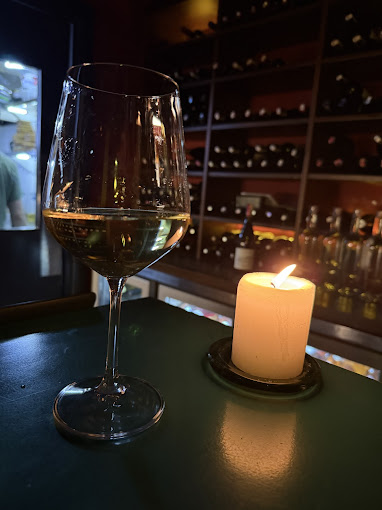
Practical Information for Your Wine Night
Start time: 7 PM is ideal. The bars fill between 8 and 9 PM starting earlier gives you better tables and more attentive service at each stop.
Duration: A proper three to four stop wine walk takes 3 to 4 hours. Budget accordingly this is an evening, not a quick drink.
Food: All four bars serve food alongside wine. Eat as you go bruschetta, charcuterie, cheese rather than arriving hungry or skipping food entirely. Azerbaijani wine is being served in a context where it is part of a table, not a standalone tasting exercise.
Reservation: Book Kefli in advance, particularly Friday and Saturday. The other bars are walk-in friendly but a table is always better than the bar at a wine venue.
Cost: A full evening across four stops, tasting 5 to 7 wines with food pairings, runs approximately 40 to 80 AZN per person generous by any comparison with equivalent wine evenings in European capitals.
Transport: The four bars covered in this guide are all within walking distance of each other in central Baku. The walk between stops is part of the experience Baku's center at night is worth seeing on foot. Luxline can arrange a driver to collect you from the final stop if you want a professional transfer back to your hotel rather than a late-night taxi.
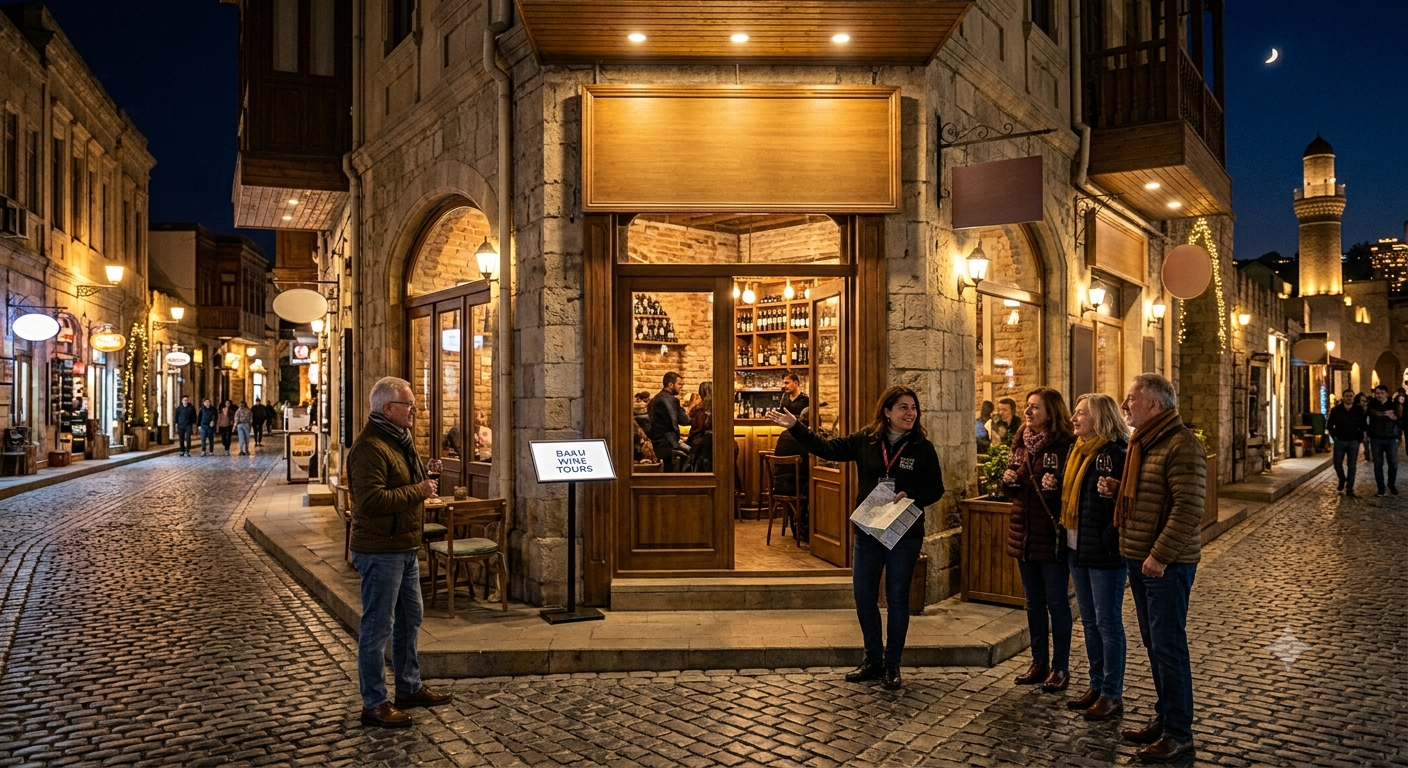
What Makes Azerbaijani Wine Different
The specific pleasure of a Baku wine night is the awareness that you are drinking something that most wine drinkers in the world have never tasted and never will. Azerbaijani wine is not exported in significant quantities. It is not reviewed in international wine publications. It is not on the lists of restaurants in Paris or London or New York.
It exists here, in the country where it was produced, available to travelers who have made the specific choice to come to this specific city and find these specific bars.
The winemakers who are rebuilding this tradition — the producers behind the Bayan Shira and Madrasa in your glass tonight — are working on a project that has barely started. The wine you are drinking in 2026 is the early evidence of what Azerbaijani wine might become. It is interesting right now. It will be more interesting in ten years.
That is what makes a Baku wine night something worth an entire evening of serious attention.
Luxline can arrange transport to and from Baku's wine bar district airport transfer, hotel pickup for evening excursions, and late-night return when the final glass is finished. Book at luxline.az →